Delhi Pollution Crisis: A Public Health Emergency
Delhi wakes up every winter under a thick, choking shroud of smog—so persistent that many now call it the city’s “fifth season.” What should spark outrage has instead become a grim routine. Children walk to school wearing masks, the elderly struggle for breath, hospitals overflow with respiratory cases, and families debate whether stepping outside is worth the risk. This is not weather. This is the Delhi pollution crisis, a public health emergency unfolding in plain sight—and ignored with frightening clarity.
A City Forced to Breathe Poison
For the residents of Delhi, pollution is no longer just an environmental issue—it is a public health emergency.
-
Asthma, COPD, and bronchitis cases spike every season
-
Heart attacks rise as toxic air thickens
-
Children show lung capacities far below global norms
-
Pregnant women face increased risks like premature births
-
Even healthy adults experience headaches, burning eyes, and fatigue
Doctors say treating patients in Delhi feels like treating victims of a gas chamber. Studies now estimate that polluted air cuts nearly 10 years from the average Delhi resident’s life. The Delhi pollution crisis is not just alarming—it is unacceptable.
How Other Cities Fought Their Pollution Crises
Delhi is not the first city to suffocate under its own growth, but it may be the first to accept it so helplessly.
Beijing, China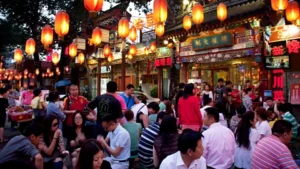
Once as polluted as Delhi, Beijing launched a decisive “war on pollution”:
-
Shut or relocated polluting industries
-
Enforced strict vehicle bans
-
Shifted households from coal to gas
-
Installed nationwide monitoring
-
Rapidly expanded public transport
Result: Nearly 50% reduction in pollution within a decade.
London
After deadly smog in the 1950s, London responded with:
-
The Clean Air Act
-
Low-emission zones
-
Congestion charges
-
Transition to cleaner fuels
Today, it’s among the world’s cleaner major cities.
Paris
Paris uses odd-even rules, strict emission standards, and diesel restrictions to keep air quality in check.
California
Once infamous for smog, California built some of the world’s toughest air-quality laws—because public health came first.
Where India Continues to Fail
India does not lack solutions. It lacks will, coordination, and accountability.
1. Seasonal firefighting, not year-round action
Every winter brings panic—school closures, mask mandates, odd-even debates. But the Delhi pollution crisis is a 365-day problem.
2. Zero coordination between states
Delhi’s air is shaped by Punjab and Haryana’s stubble fires, UP’s emissions, and Delhi’s own traffic and dust. Instead of coordinating, states exchange political blame.
3. Weak enforcement
Rules exist—dust control, truck bans, fuel standards—but enforcement barely does.
4. No political cost
Pollution does not impact elections. Action only happens when AQI hits headlines—and stops when winds improve.
5. Poor public transport infrastructure
Cities like Singapore and Seoul thrive because their public transport is efficient and clean. Delhi needs fewer cars and more trains—not the opposite.
What India Must Do Now
If we truly want to solve the Delhi pollution crisis, here’s what must happen immediately:
-
Enforce strict winter construction bans
-
Build year-round stubble management systems
-
Expand metro networks, EV buses, and last-mile links
-
Impose congestion charges and limit private car use
-
Penalize polluting industries
-
Create a powerful NCR clean-air authority
-
Regulate generators, kilns, and road dust
-
Provide hyper-local, transparent air-quality data
Above all—treat this as the public health emergency it is.
A Final Word
Delhi is not dying because of ignorance. It is dying because of inaction. Because somewhere along the way, we accepted toxic air as normal. Agencies blame each other, governments shrug, and policies gather dust—while our lungs do the same.
This is not the future our children deserve.
The world has proven that pollution can be defeated. The question is:
When will India decide that the Delhi Pollution Crisis is a Public Health Emergency that can no longer be ignored?
If not now, then when?
If not us, then who?